We provide septic tank pumping to Port St. Lucie, FL. It's important to get this done every 3 to 5 years, sometimes sooner, depending on the size of your tank. We also provide septic repairs 24 hours a day.
Check the installed tank record. A 3 bedroom, 1,201 to 2,250 sq ft conventional design has a design flow of 300 gallons per day and a minimum tank capacity of 900 gallons. Larger homes can need more.
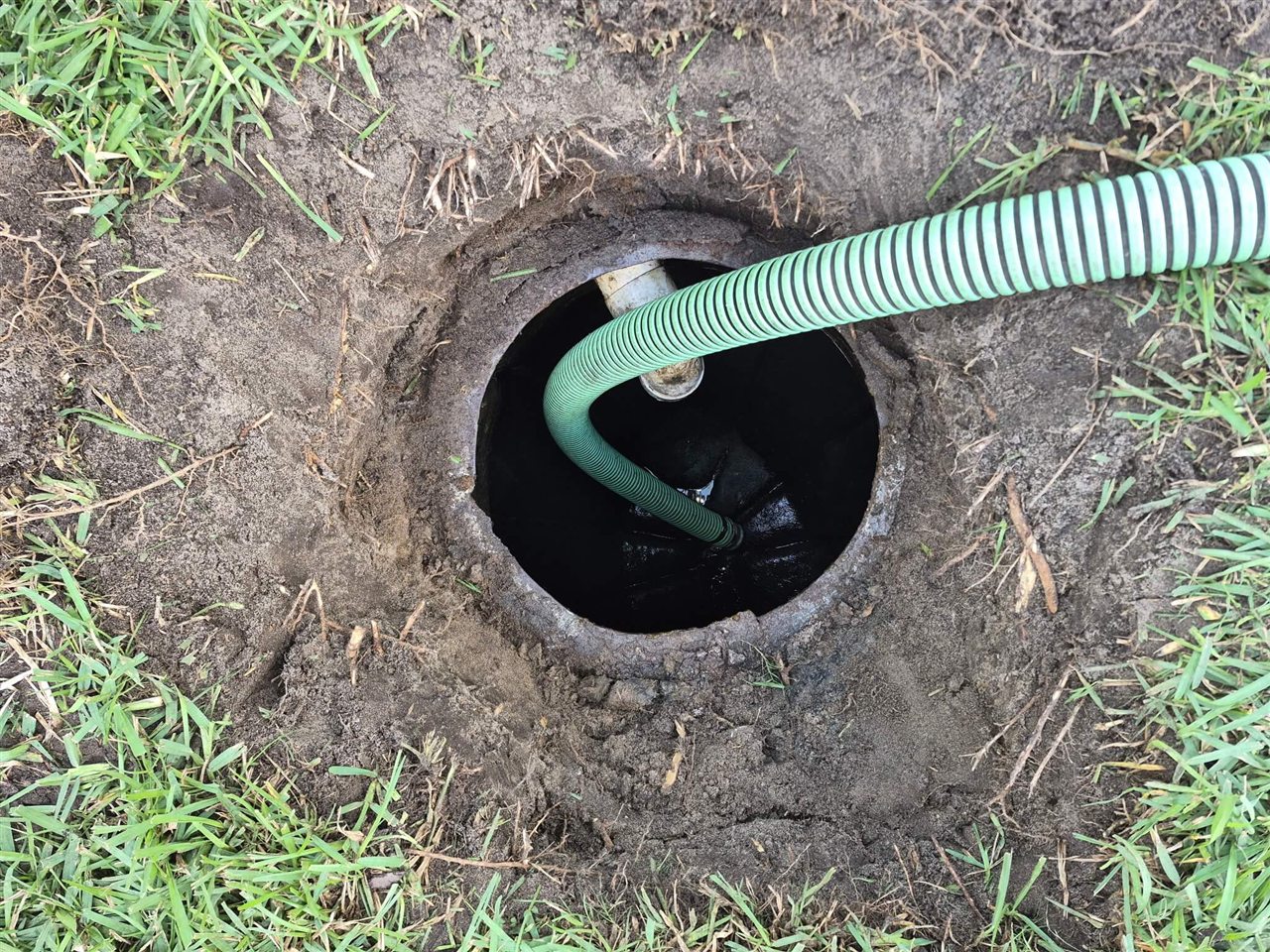
Reaching the tank came first on the homeowner's pumping job. We uncovered the lid beneath about 10 to 15 inches of sod and soil.
The team can handle the extra access work when a lid has become covered or overgrown. Expect roughly one hour of pumping within a total visit of about 2 to 3 hours, including preparation.
Cost
Starting at $450
Timeline to completion
2 to 3 hours
Access and Commercial Requests
Share the address, known capacity, lid location and any gates or paving over access points. Commercial requests should identify business use and waste type. Grease interceptor waste has a different scope from household septic waste.
What a Pump Out Does
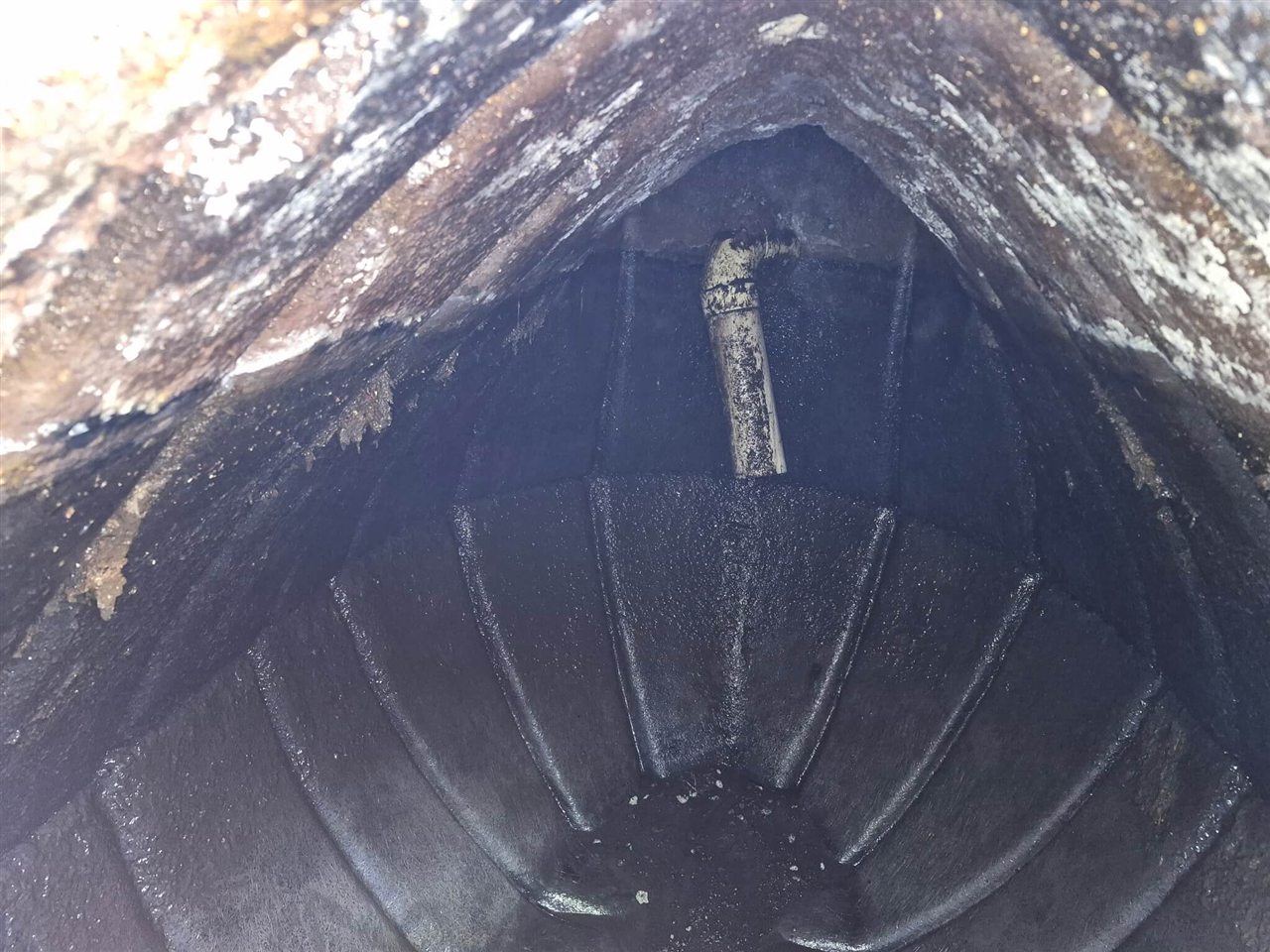
Liquid normally stays in a working tank near the outlet level. The concern is the sludge at the bottom and the floating waste above it. Pumping removes this buildup through the proper access openings. The tank will refill during normal use; it is not supposed to remain empty.
When to Schedule Pumping
For many conventional households, the EPA gives a general pumping interval of three to five years. Measured solids, tank capacity, occupancy and water use determine the actual schedule. Frequent guests or a garbage disposal can change the load. Keep the last service date and inspection findings.
When Port St. Lucie Rain Changes the Diagnosis
City swales and canals manage stormwater, while a septic field treats household wastewater underground. Standing yard water and wet season groundwater can restrict drainage even with a sound tank. Report recent rain and flooding before scheduling. Emptying a tank in saturated ground requires professional assessment.
When the Backup Returns
Another pump out will not repair a blocked outlet filter, damaged pipe, failed pump or exhausted field. A tank or drain field inspection can help establish the next step.
Typical Septic Tank Sizes & Materials in Port St. Lucie
Residential tank sizes you may encounter range from roughly 900 to 1,500 gallons, with larger tanks or multiple units for higher demand properties. A tank holding 1,000 gallons is a useful example for a smaller home, but it is not Florida’s universal two bedroom requirement. Confirm the tank’s effective liquid capacity from its approval label and permit record.
Concrete Tanks
Heavy, rigid shells that need lifting equipment and a properly prepared base. Watch for deteriorated covers, wall damage and leaking seams. Concrete’s weight does not eliminate uplift risk when a tank is emptied in high groundwater.
Fiberglass Tanks
Lighter composite shells that resist rust and can be easier to position with limited access. Check fittings and the shell for damage. Support, backfill and any anchoring must follow the approved model’s instructions.
Polyethylene Tanks
Molded plastic tanks that are also lightweight. Correct burial depth, backfill and groundwater provisions help prevent movement or deformation. A lightweight tank is not automatically suitable for every Port St. Lucie property.
The material changes what the technician checks, but concrete, fiberglass and polyethylene tanks all need accumulated solids removed. Do not treat a larger tank or a different material as a reason to skip inspections.
Florida sizing examples when bedroom count and building area match the listed category
Home example
Design flow
Minimum effective tank capacity
2 bedrooms, up to 1,200 sq ft
200 gallons/day
900 gallons
3 bedrooms, 1,201 to 2,250 sq ft
300 gallons/day
900 gallons
4 bedrooms, 2,251 to 3,300 sq ft
400 gallons/day
1,050 gallons
These are minimum storage examples, not final designs. A home with more floor area than its bedroom category allows can require a larger system. The higher resulting flow governs, and treatment equipment may require additional tanks. For pumping, the actual installed size, number of compartments and access matter more than a guess from bedroom count.