We provide septic tank inspections to Port St. Lucie, FL. General and real estate inspections help identify issues before you buy or plan repairs. We also provide septic repairs 24 hours a day.
Real estate inspections give detailed reports to confirm the septic's viability and make sure that you are buying your next home with confidence. We compare the tank and property layout with available Port St. Lucie records, approved use, additions and drainage concerns. St. Lucie County provides scanned septic and well records through eBridge, although not every record is online. A private condition inspection is separate from required permit inspections.
The client was considering the home and wanted the tank and drain field assessed before making the purchase.
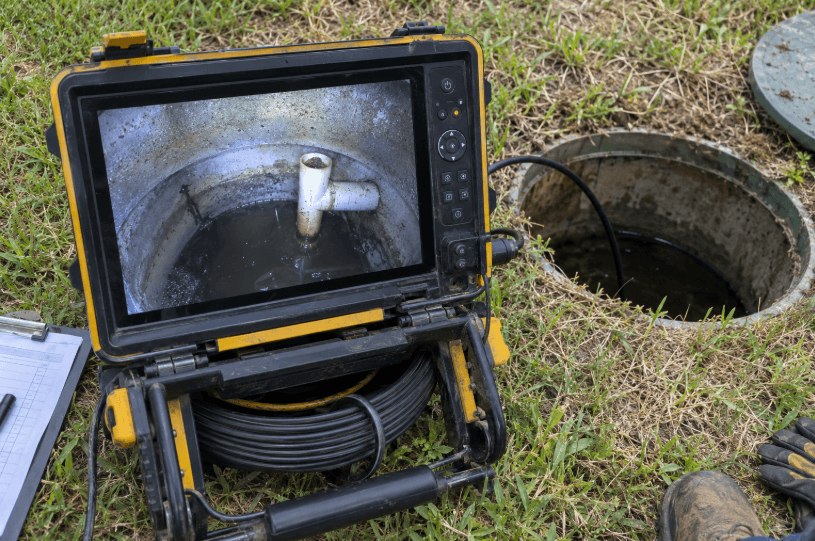
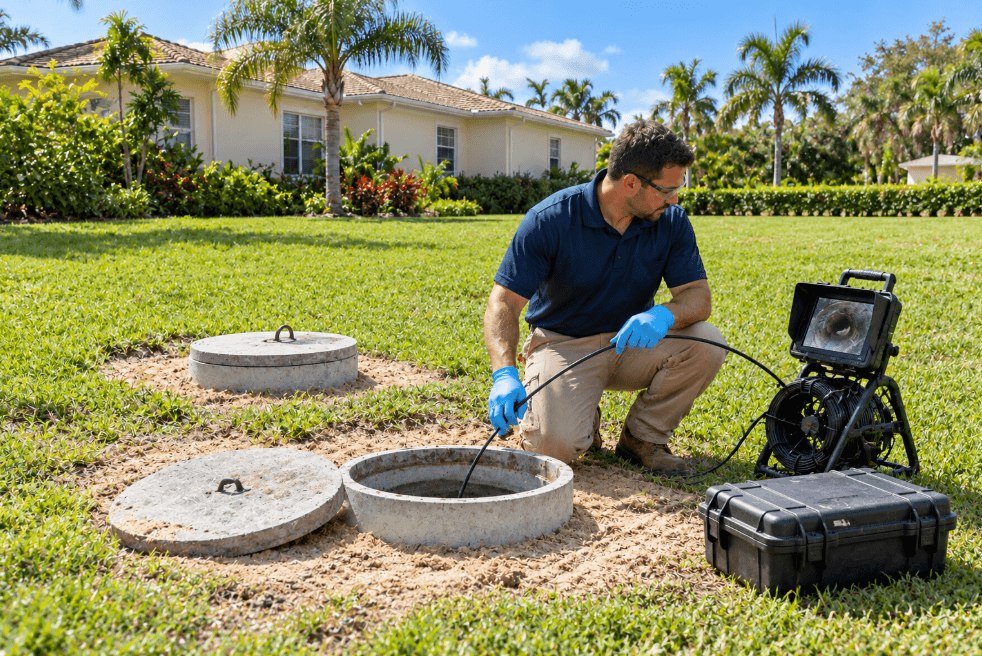
The team examined accessible areas of the tank with a camera and thoroughly assessed the system for leaks, cracks and issues in the tank or drain field. These findings help a prospective owner understand working condition before purchase; camera footage does not replace the wider assessment.
Cost
$650
Timeline to completion
2 to 3 hours
Buying or Selling a Port St. Lucie Home
A closing inspection needs more than a quick look at the lid. The comprehensive service can include scoping accessible lateral lines or checking structural components, as agreed before the visit. Ask for written findings and access limitations. A general home inspection may not cover the septic system.
Find the Record, Then Compare the Property
St. Lucie County provides septic and well records through eBridge. Search by address or permit details; scanning is ongoing, so an absent online record does not establish that a system was never permitted. Compare the approved layout with the house, pool, driveway and additions. County record guidance.
Routine Inspection
Review access, liquid level, accumulated solids and accessible inlet, outlet, baffles and filter. Pumps and alarms matter where installed. The findings should describe what was checked, what could not be accessed and what follow up is recommended.
A Recent Pump Out Is Useful Information
Pumping can temporarily hide poor drainage symptoms. Share the date, recurring backups and whether trouble follows storms. A tank visit may identify the need for a separate field evaluation. No visual inspection guarantees future performance.
How Often to Inspect
Plan routine conventional system inspections every two to three years and sooner when symptoms appear. Performance based or aerobic systems have their own permit, monitoring and maintenance requirements. Their schedule takes priority over this general household interval.