Port St. Lucie Septic Services |Septic Tanks, Septic Pumping, Septic Inspection & Drain Field Services
Port St. Lucie Septic Services is the #1 septic in Port St. Lucie, FL.
Our services include:
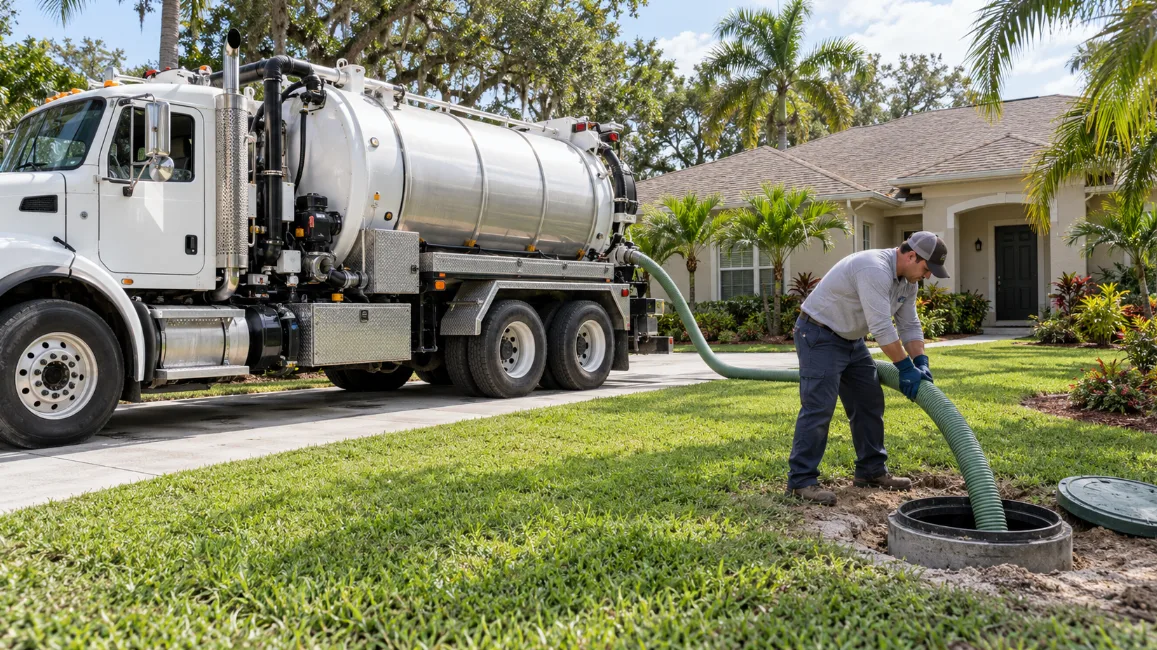
Septic tank pumping
Septic tank cleaning
Septic tank inspections (real estate inspections)
Septic tank repairs
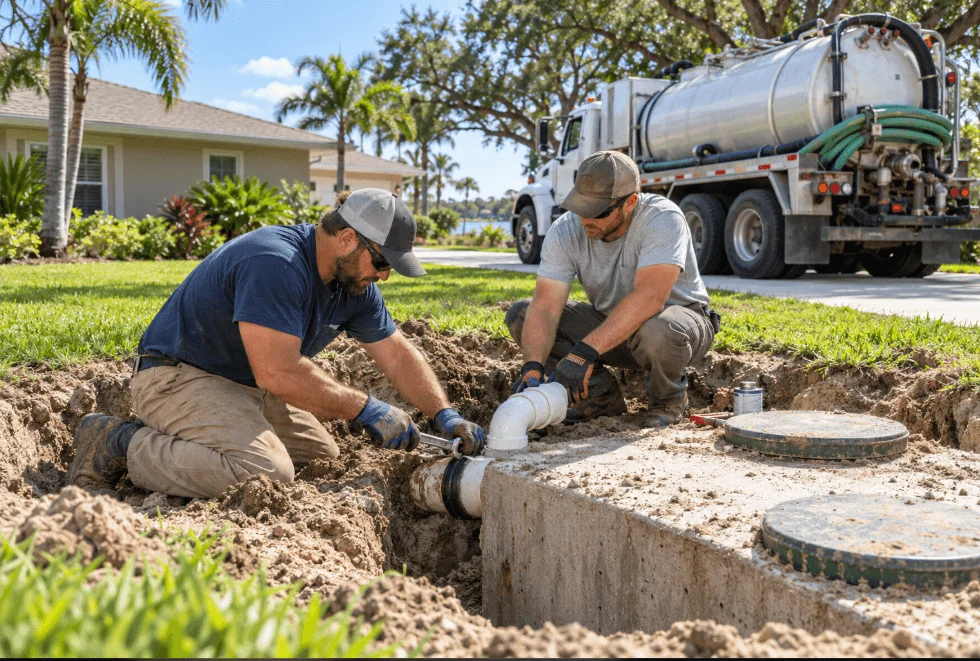
Septic tank installation and replacement
Drain field inspections
Drain field repairs
Drain field replacement
Our team has over 18 years of experience with repairs, project management and business development. We make sure, due to the unpredictable Florida climate, that your septic needs are taken care of. It's good to have the right team standing behind you to do the right job. For typical residential planning, tank sizes around 1,000 to 1,200 gallons are useful examples; actual installed capacity and required sizing depend on the property. Port St. Lucie Septic Services knows how to handle each residential and commercial property with professionalism. Expected service life depends on the installed product, site conditions and maintenance.
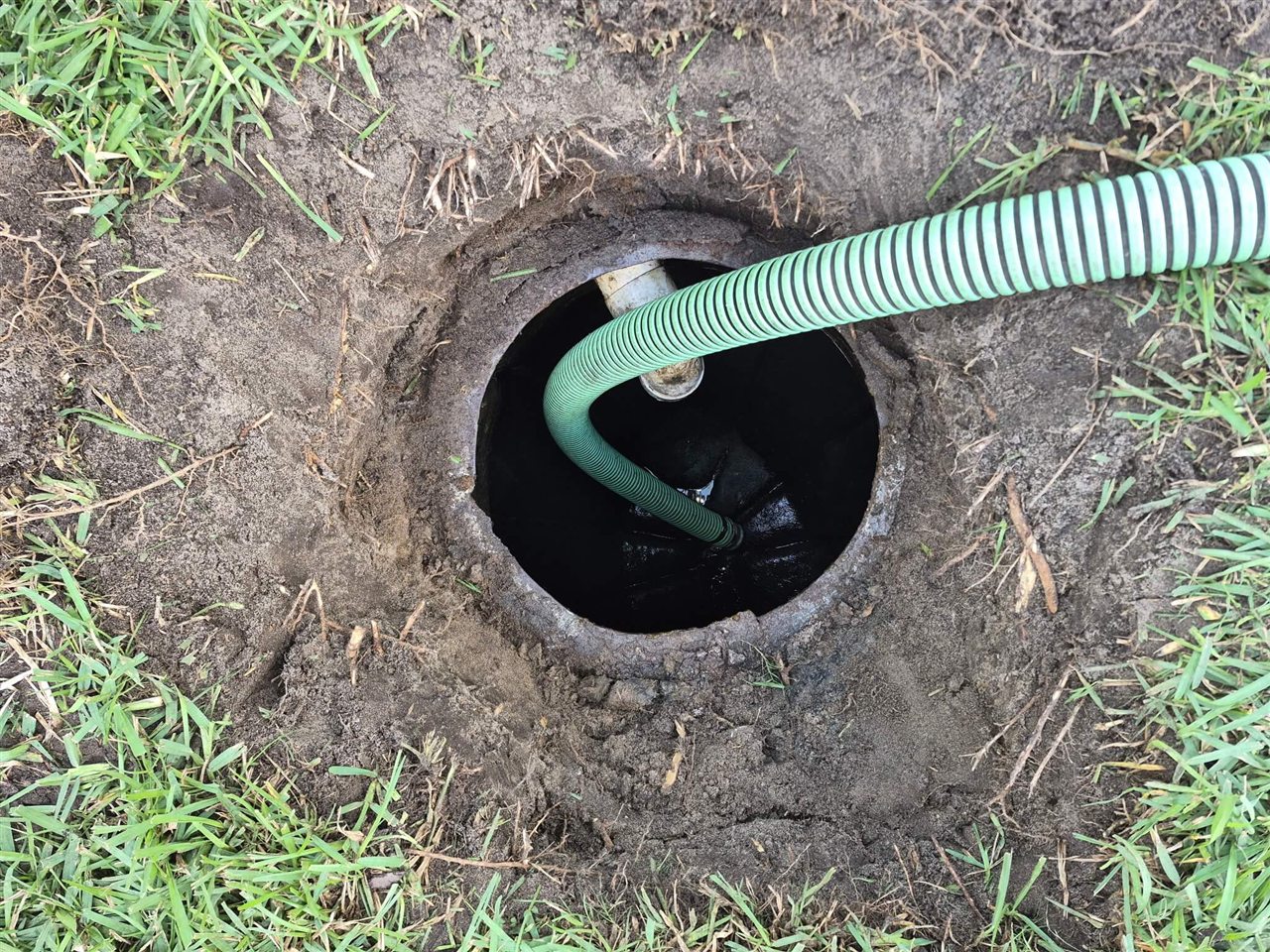
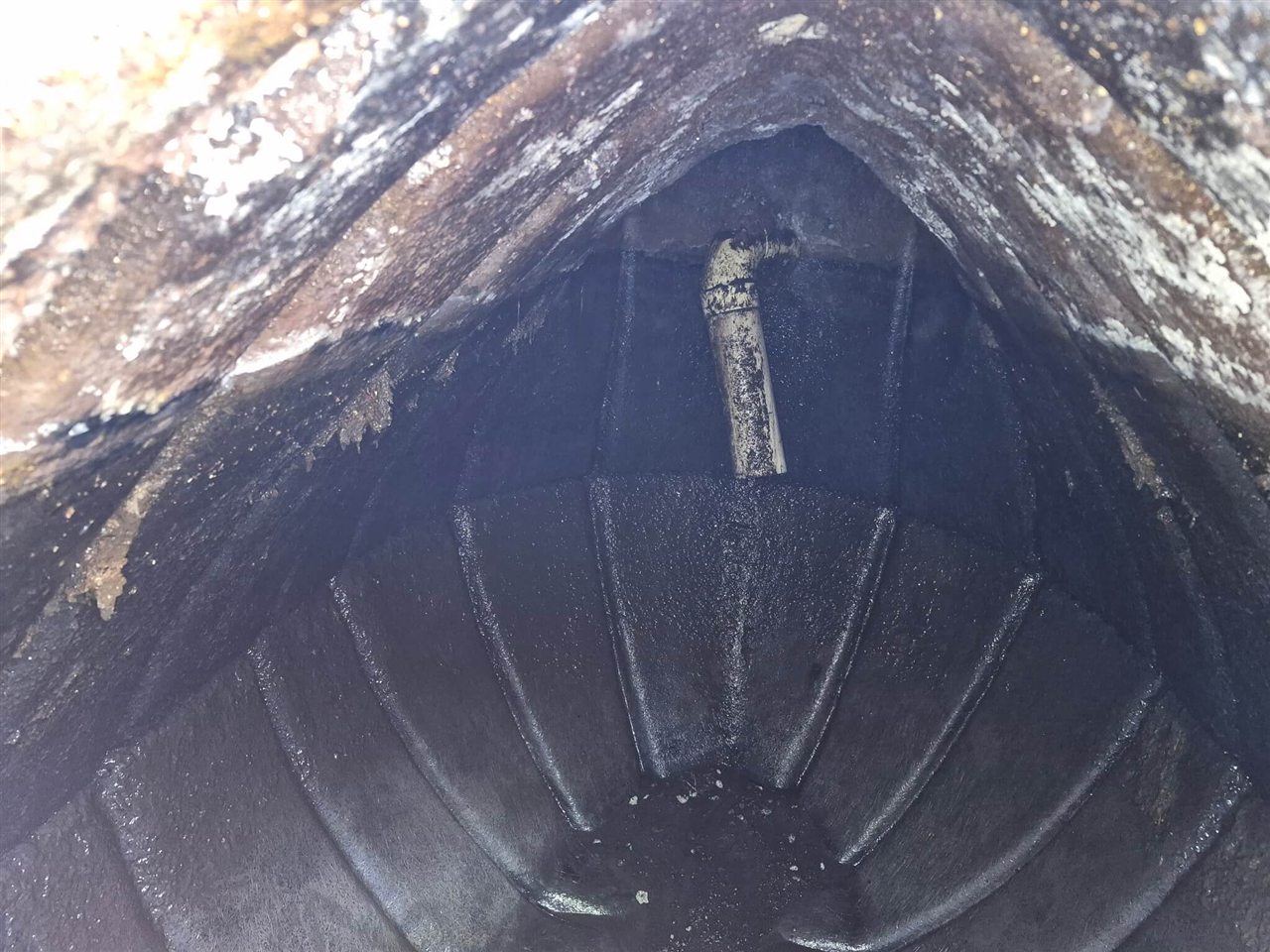
A backup brought this full septic tank to the homeowner's attention. They needed a complete pump out along with cleaning of the interior walls. We emptied the approximately 1000 gallon fiberglass tank. We then rinsed the interior walls to remove the sludge and scum left behind. Our completed work left the tank pumped out and the sidewall buildup rinsed away. Future pumping should follow tank condition and household use rather than a guaranteed interval.
Cost
$475
Timeline to completion
2 to 3 hours
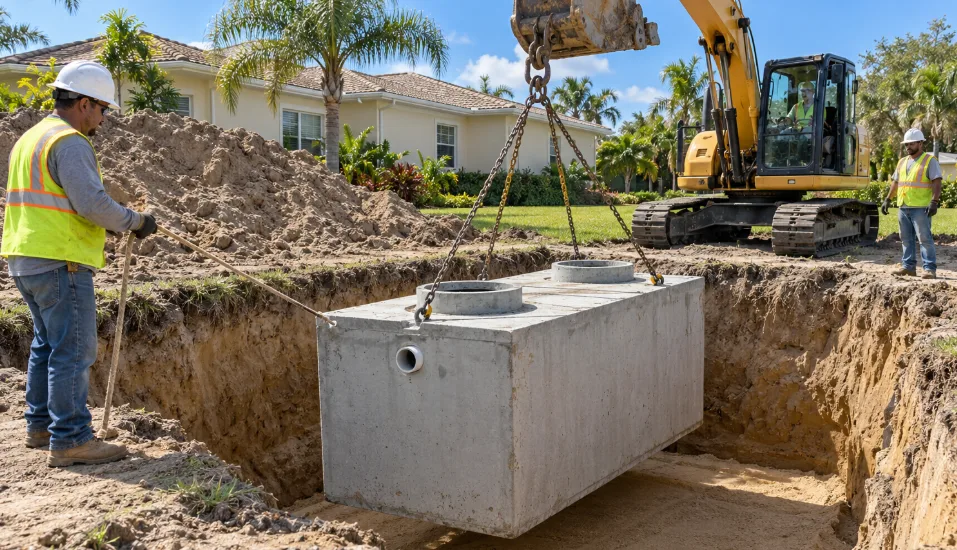
Concrete Septic Tank Replacement
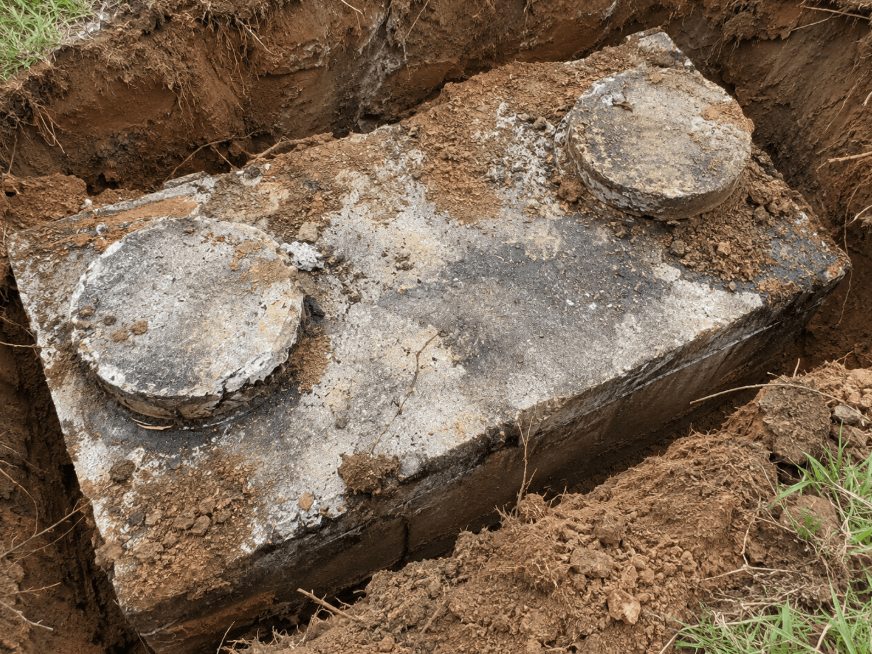
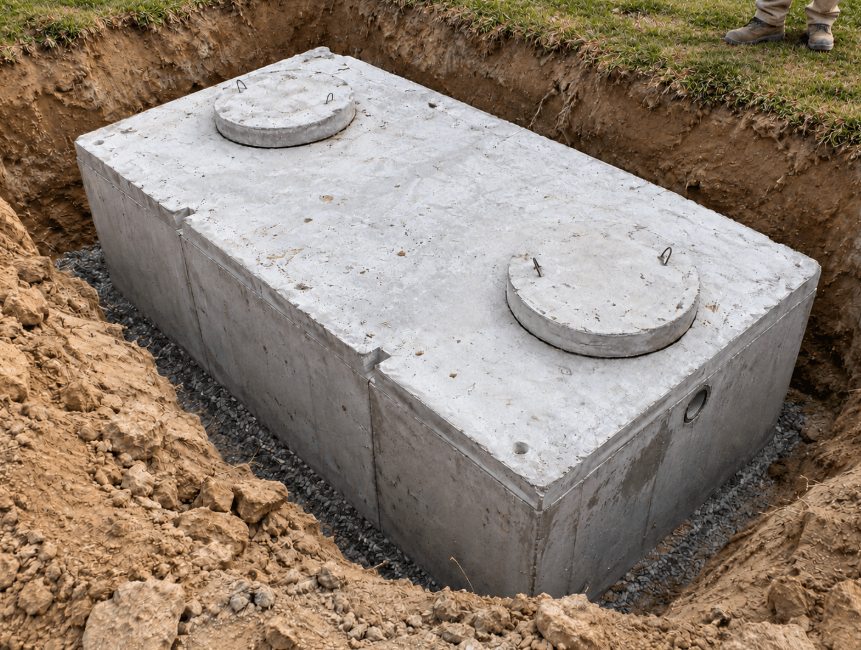
The homeowner's old septic tank had exceeded its expected service life. This project called for replacement rather than keeping the aging tank in service. We replaced the old tank with a concrete septic tank. The replacement provided 1000 gallons of tank capacity for this project. We completed the concrete tank replacement. The aging unit was replaced by the new 1000 gallon tank.
Cost
$9,935
Timeline to completion
3 to 5 days excluding permitting
Residential & CommercialTank & Drain Field ServicesClear Starting Prices
Why Choose Port St. Lucie Septic Services?
01Local in Port St. Lucie
02On time repairs and installations, including emergency service 24 hours a day
Port St. Lucie, FL Septic Sizes and Permit Planning
Septic Tank Sizes
Roughly 900 to 1,500 gallons is a useful residential planning range, with larger or multiple tanks possible for higher demand or additional treatment. A measured average installed tank size for Port St. Lucie was not established by the reviewed sources. Confirm your actual gallons from records, approval labels or a professional assessment.
Florida residential examples with matching bedrooms and building area
Illustrative home
Daily design flow
Minimum effective tank storage
2 bedrooms, about 1,100 sq ft
200 gallons/day
900 gallons
3 bedrooms, about 1,800 sq ft
300 gallons/day
900 gallons
4 bedrooms, about 2,600 sq ft
400 gallons/day
1,050 gallons
These are matched examples from Florida’s flow and effective capacity tables, not final designs. Where bedrooms and floor area indicate different categories, the higher flow governs. Larger approved flows can require minimum storage of 1,200 or 1,350 gallons, and treatment equipment can add tanks. Chapter 62-6 sizing rules.
Tank gallons and gallons per day are different. The tank stores wastewater and separates solids. The field is sized for approved flow and evaluated soil conditions. Extra tank storage cannot restore saturated soil or make an undersized field adequate. A tank holding 1,000 gallons is not a universal Florida requirement for a two bedroom home.
Port St. Lucie Septic Permits and Timing
The Florida Department of Health in St. Lucie County handles local septic permits under Florida DEP rules. Confirm the parcel’s sewer availability and whether the work is a new system, repair, modification or abandonment before selecting equipment. DEP permitting process.
Prepare the Application and Site
Gather the address, system records, floor plan and scaled site plan. Arrange a qualified soil/site evaluation that accounts for wet season groundwater. Submit the application and applicable fee. The County checklist asks for three copies of site and floor plans, dated and sealed engineering documents when applicable, and access information such as gate codes. Confirm current submission instructions. County checklist.
How Long Does Septic Approval Take?
Use 4 to 6 business days only as an initial planning allowance after a complete septic application is submitted. This is not a published St. Lucie County approval time or a guarantee. The County guidance reviewed does not provide a standard turnaround. Missing documents, site access, design changes, nutrient reduction review and agency workload can extend the schedule. Confirm the current queue before setting a construction date.
Florida’s general licensing framework separately provides an initial errors and omissions review of 30 days and ordinarily a decision within 90 days after a complete application, unless a shorter law applies. These statutory provisions have exceptions and do not establish a County typical completion time. Site evaluation, design, construction and final inspection are distinct stages. Statutory review framework.
Keep Sewer Conversion Separate
The City publishes a application to completion estimate of 4 to 6 weeks for its septic to sewer conversion program. This is a different scope from septic installation and permit review. Check sewer availability and any connection requirement before investing in replacement. City conversion program.
Approval, Installation and Final Records
Follow the approved design and arrange required inspections. An estimate or submitted application does not authorize use of the system. Keep final approvals and the manufacturer’s maintenance instructions. Advanced treatment can carry operating permit, service contract and recurring maintenance obligations.
When Nutrient Reducing Treatment Matters
Florida requires new septic systems serving lots of one acre or less in affected BMAP and alternative restoration areas to use nutrient reducing treatment when sewer is unavailable. A typical size lot from the housing guide is less than an acre, but its area alone does not establish its map boundary or permit obligations.
Specified Indian River Lagoon program areas have additional new and existing system requirements. Do not assume every Port St. Lucie address has the same requirement or deadline. Check the current DEP map, tables and permit category for the exact parcel. DEP requirements and map links · Current requirement tables.
Approved options can include nitrogen reducing biofilters, qualifying aerobic units or performance based designs. An aerobic unit is not automatically an approved nitrogen reducing system. The full design and product approval matter. Concrete, fiberglass and polyethylene describe tank materials, not treatment performance.
Concrete, Fiberglass and Polyethylene Tanks
Concrete
A heavy, rigid tank requiring appropriate lifting access and a prepared base. Inspect seams, covers and walls for leakage or deterioration. Weight alone does not make an empty tank immune to groundwater uplift.
Fiberglass
A lighter manufactured shell. Support, burial conditions and fittings need to follow the approved model’s installation instructions. Inspect for shell damage and connection problems.
Polyethylene
A molded plastic tank that can simplify handling where access is tight. Correct backfill, burial depth and groundwater provisions matter. Inspect for deformation, damage and leaking fittings.
How Long Do They Last?
Expected service life depends on the selected product, installation conditions and maintenance. This is separate from the possible maximum life of a tank shell.
The EPA notes that a concrete tank may last 50 years or more, and other materials can have a similar lifespan. That is a possibility under suitable design, installation, maintenance and exposure conditions, not a warranty. Material alone is not a reliable replacement date.
The tank shell, drain field and mechanical equipment age differently. A sound tank can serve a failed field, and an advanced system can need a pump or aerator before its tank wears out. Base the decision on condition and function, not age alone.
Septic Issues That Matter in Port St. Lucie
Rain, Canals and Groundwater
The City identifies the St. Lucie River, canals and repeated rainfall as flood concerns. A field needs suitable unsaturated soil; waterlogged ground can limit treatment and drainage even with an intact tank. The lot’s elevation and seasonal groundwater matter. City flood guidance.
Swales and Yard Drainage
Roadside swales and culverts form part of the City’s stormwater network. Keep roof and irrigation water from adding unnecessary load around the field. Do not fill or alter drainage features to make room for septic work without applicable review. Swales and drain fields perform different jobs. City swale information.
Space on Established Lots
Pools, patios, sheds and driveways can restrict disposal area and service access. Compare the current layout with the record before approving an addition or new field. A neighbor’s tank or a vacant looking yard area does not establish an approved design.
Missing Records and Recurring Backups
The County’s eBridge archive is still being scanned. A missing online record does not prove a system was never permitted. Obtain the available history and compare it with actual capacity and condition. County records guidance.
Running toilets, excessive water use, leaking seals and escaped solids can overload the system. A backup soon after pumping needs investigation of the outlet, equipment and field, rather than another pump out alone.
Flooded Ground Changes the Response
Reduce wastewater use and have conditions assessed before pumping. An emptied tank can move or float in high groundwater. Pumping cannot lower the surrounding water table. EPA flood guidance.
Fix running toilets and spread laundry across the week.
Keep lids secure and the service area accessible.
Follow the maintenance plan for treatment equipment.
Don’t
Flush wipes, even those labeled flushable.
Pour grease, solvents or harsh chemicals down drains.
Park, pave or drive heavy equipment over the field.
Assume additives or another pump out fix a failed field.
Septic Questions, Clear Answers
How often should I pump my tank?
Many conventional household tanks need pumping about every three to five years. Actual solids, capacity, occupancy and use determine the schedule. Advanced systems require their own ongoing care.
Why does my septic system back up after rain?
High groundwater or saturated soil can prevent normal field drainage. A blockage or damaged component is another possibility. Pumping alone does not fix groundwater conditions.
How long can a septic tank last?
Tank shells can last decades with appropriate installation, conditions and care. Fields, pumps and aerators have different service lives. Judge condition and performance rather than assuming one replacement age for every component.
Can additives replace pumping?
No. Additives do not remove accumulated solids or replace inspection and equipment maintenance.
Does my property need nutrient reducing treatment?
Check the parcel, sewer availability, lot size and permit category. New systems on lots of one acre or less in affected BMAP areas require nutrient reducing treatment when sewer is unavailable. Additional mapped areas can have other requirements.
Do you handle commercial requests?
Yes. Include the business use, capacity if known, access and waste type. Commercial and grease interceptor work need a specific scope.
Is the estimate form an emergency dispatch?
No. A submission does not confirm an appointment or immediate response. For active sewage overflow, reduce water use and get prompt professional assistance.
How long should I allow for septic permitting?
Use 4 to 6 business days only as an initial planning allowance after a complete septic application is submitted. This is not a published St. Lucie County approval time or a guarantee. The County guidance reviewed does not provide a standard turnaround. Missing documents, site access, design changes, nutrient reduction review and agency workload can extend the schedule. Confirm the current queue before setting a construction date.
Should I check sewer before replacing a failed system?
Yes. Confirm sewer availability and any connection obligation with Port St. Lucie Utility Systems before authorizing replacement. City sewer conversion and private septic installation are separate projects.